Triglycerides Went From 166 to 35: One Year of Food and Exercise Changes
A household’s record of changing meals and exercise after a high triglyceride reading, with guidance on interpreting fasting and nonfasting results.
Last updated
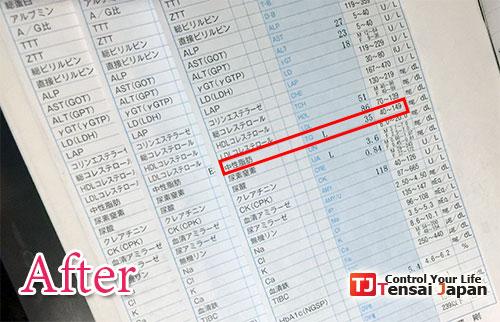
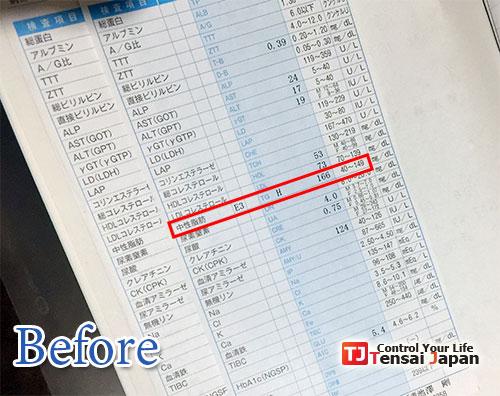
Our original article recorded a family member’s triglyceride result of 166 and a result of 35 about a year later. During that year, we changed meals and exercise together. The article did not record whether the tests were fasting. These were one person’s results.
What changed during that period
We sometimes replaced white rice with brown rice or oats, and kept mixed nuts for snacks. We did squats, deadlifts and running, paid attention to sleep, and sometimes used a protein shake after training. Working on meals and activity as a couple helped us keep going. We changed several habits at once, so the results cannot tell us which mattered most.
Fasting and nonfasting results
Japanese Atherosclerosis Society guidance uses 150 mg/dL or higher for fasting triglycerides and 175 mg/dL or higher for a nonfasting sample. Start by checking the unit, whether you were fasting, and the other results on the panel. Triglycerides alone do not establish a diabetes diagnosis. (Japan Atherosclerosis Society lipid guidance) (NIDDK diabetes diagnostic tests)
What to check at the next appointment
Bring persistently high results to your clinician. The ACC identifies diet and activity as part of management and distinguishes severe elevations at 500 mg/dL or above, when pancreatitis risk matters. Alcohol, sweet drinks and the amount of refined starch are practical topics to review with your care team. (American College of Cardiology guidance)
Oatmeal Blog’s guide to oats (Japanese) and the author’s separate experience with lifting and high triglycerides.
Frequently asked questions
Can triglycerides be high if I exercise regularly?
Exercise is one part of management. If your result is high, check the unit and fasting status, and ask your clinician how it fits with the rest of your results. (American College of Cardiology guidance)