High Triglycerides Despite Lifting Weights: One Lab-Result Story
The author lifted regularly and still had triglycerides over 280. Follow the recorded results, changes to her training-day diet and how to read the lab report.
Last updated
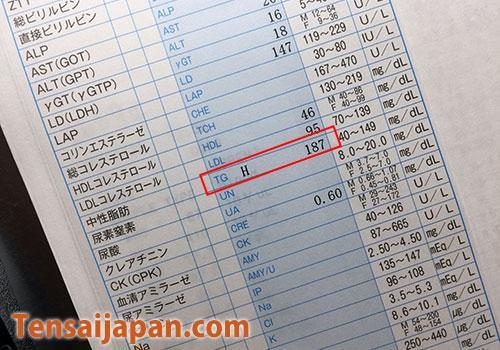
I lifted regularly and still had a high triglyceride result. My original article recorded a result above 280 in April, one in the 210s in August, and 187 in November. It did not record whether the draws were fasting, and the changes cannot be attributed to one food.
What changed during that period
At the time I often mixed milk, whey protein and banana after training and again at other times in the day. I changed the afternoon routine and sometimes used yogurt with whey and honey, or a cup of soup with whey. I also served more fish and fiber-rich foods and ate less fatty meat. That record cannot tell me that milk or whey caused the high result.
Fasting and nonfasting results
Japanese Atherosclerosis Society guidance uses 150 mg/dL or higher for fasting triglycerides and 175 mg/dL or higher for a nonfasting sample. Start by checking the unit, whether you were fasting, and the other results on the panel. Triglycerides alone do not establish a diabetes diagnosis. (Japan Atherosclerosis Society lipid guidance) (NIDDK diabetes diagnostic tests)
What to check at the next appointment
Bring persistently high results to your clinician. The ACC identifies diet and activity as part of management and distinguishes severe elevations at 500 mg/dL or above, when pancreatitis risk matters. Alcohol, sweet drinks and the amount of refined starch are practical topics to review with your care team. (American College of Cardiology guidance)
A separate account of a family member’s triglyceride results
Frequently asked questions
Can triglycerides be high if I exercise regularly?
Exercise is one part of management. If your result is high, check the unit and fasting status, and ask your clinician how it fits with the rest of your results. (American College of Cardiology guidance)