And I'm going to show you some of the things that I've learned.
Have you ever been in bed at night? When you're not sleeping, you want to eat fat, eat fat, and think you're tired. This could hurt if you keep going.
Archive review copy. This draft translation and its health or nutrition claims still need editorial review.
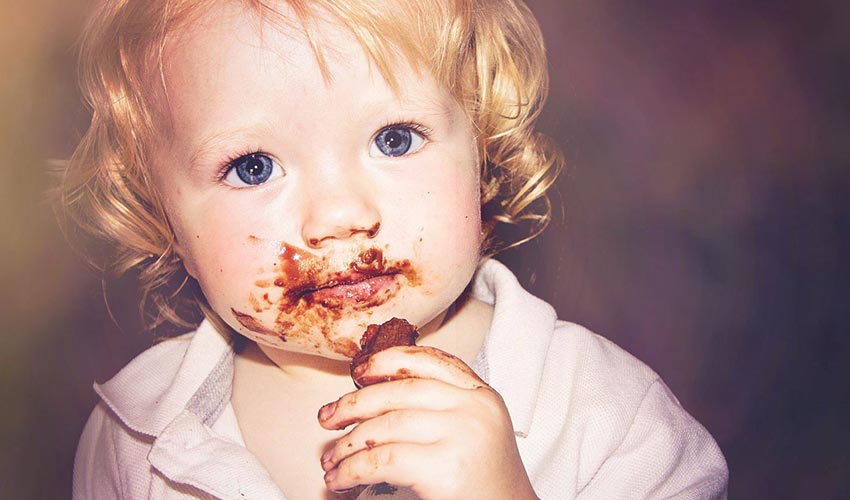
Have you ever been in bed at night? When you're not sleeping, you want to eat fat, eat fat, and think you're tired. If this continues, it may hurt.
And I'm going to talk a little bit about this.
This is a daily affair.
Such a person is careful. Lack of sleep causes the brain to eat something that is naturally fat and sweet, and when you're getting into a body that is not controlled, it becomes more and more neutral fat and obese.
(Laughter)It seems that the brain is calling.
It's not just that we're going to be able to do it.So, let's check to see why such an impulse occurs about the results of research.
And that's what I'm going to talk about.
It seems that when the prefrontal cortex was not sleeping, it became apparent that the appetites increased impulsively.
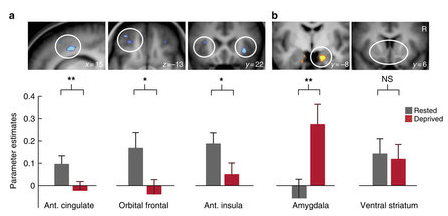
And I'm going to show you a couple of examples of this when I talk about the Nature Communications and the effects of this human lack of sleep on the brain and on food.
The desire for high-calority calories from the stress response.
I'm not sleeping. I'm awake.
Fill your heart because there is also a spiritual connection.
That means that the brain is filling with orders and results, not with stomach fill, but with a sense of security in the brain.
What do you think?
Since you can't eat a little light in your experience, do you ever have to eat a lot of food or a high-calority foods?
But since there are still questions about these studies, such as whether obesity has a bad effect on the body, I hope you will find some of these control methods, methods and tricks to reduce the fat rate, but I'm very concerned.