Can People With Diabetes Eat Oysters? Raw vs. Cooked
Cook oysters thoroughly if you have diabetes. Learn why raw oysters carry a Vibrio risk, what cooking guidance says and how to interpret their zinc content.
Last updated
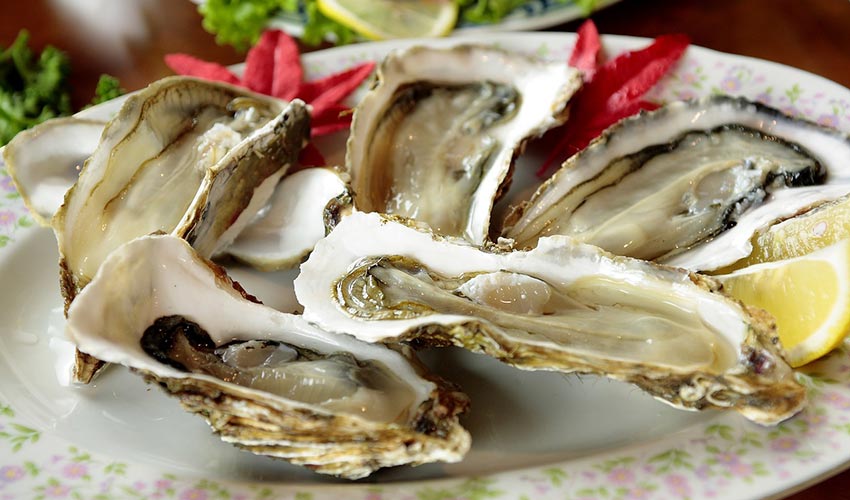
If you have diabetes, choose thoroughly cooked oysters. Raw or undercooked oysters can carry Vibrio and other germs. Diabetes and liver disease are among the conditions that increase the risk of infection or severe illness. A raw oyster can look and smell normal. (CDC guide to Vibrio infection) (CDC guide to Vibrio and oysters)
How to lower the risk when cooking oysters
Follow the package instructions and the cooking method for shucked or in-shell oysters. Keep raw seafood juices away from food you will eat uncooked, and wash utensils and hands after handling raw oysters. Japan’s Ministry of Agriculture advises heating the center of food suspected to contain norovirus to 85–90°C (185–194°F) for at least 90 seconds. (CDC cooking and prevention guidance) (Japan Ministry of Agriculture norovirus guidance)
Do oysters lower blood sugar?
Japan’s food composition database lists 14.0 mg of zinc per 100 g of raw farmed oyster meat. That value describes the food, and does not show that eating oysters lowers blood sugar. The US National Institutes of Health finds insufficient evidence to recommend zinc supplements for preventing or reducing symptoms of type 2 diabetes. (MEXT food composition entry) (NIH zinc fact sheet)
For symptoms after an exposure, see when to seek care for possible Vibrio infection.
Frequently asked questions
Do lemon juice or hot sauce make raw oysters safe?
No. Neither kills Vibrio in oysters. Proper cooking lowers the risk. (CDC guide to Vibrio and oysters)