Don't you know which is more nutritious, frozen blueberries or raw ones?
I hear blueberries are more nutritious than supplements, if you can, right? So, which one of them is more nutritious or less so? Let's check the data based…
Archive review copy. This draft translation and its health or nutrition claims still need editorial review.
I hear blueberries are more nutritious than supplements, if you can, right? So, which one of them is more nutritious or less so? Let's check the data based on our research and then start feeding wisely.
Anthocyanin, a lot of blue berries.

Although blueberry is a famous addition company that says blueberry is good for the eye, the other day I heard an ophthalmologist say it wasn't so much a supplement that it made it worse than it made it possible to maintain eye conditions.
Taking in healthful food is effective for your body, or eye.
You want to take good nutrition.
It's an antioxidants that keep the eyes in state.
It has been recommended that you improve your daily diet, such as taking in foods that have a fluoride reaction, which is also observed in blueberry supplements and so on.
Which do you like better, raw or frozen blueberry?
Is it alive or frozen blueberry this time? If I can, I want to save better, so I'll still be interested.
It's not just a matter of freezing.
- calories.
- proteins.
- Minerals
- (Carbohydrate sugar)
- Fibers
And that's what we're going to do.
Vitamin C content.
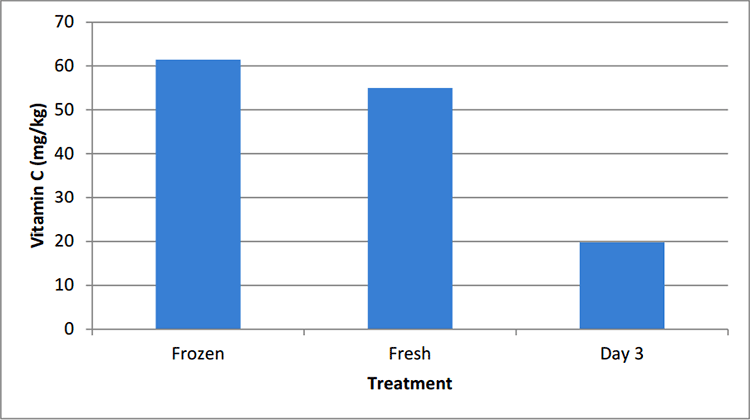
It's common to think that many people buy raw fruit, that fresh fruit contains rich nutrients, but the fact is that by freezing, blueberry has a high vitamin C content.
And what's shocking is that by storing in the refrigerator for three days, blueberry vitamin C will be reduced by 67 percent.
It's really a waste of vitamin C loss in refrigerator storage.
Be careful that light, oxygen, and high temperatures reduce the nutrients. (1)
The amount of anticyanin in frozen blueberries.
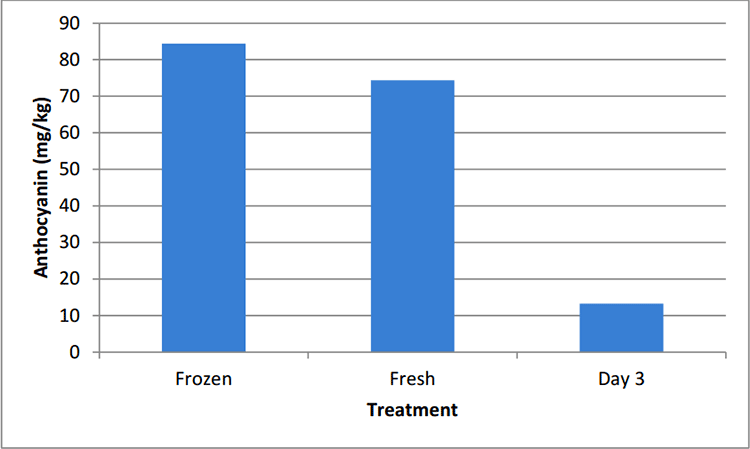
Antosianine, famous for being good to the eyes. By freezing like vitamin C, you can also see that antocyanins are also raising nutrients. One of the refrigerators will go down so much in three days that if you really want to eat blueberries, this is too much of a loss of nutrients. If you've ever put it in the fridge and eaten slowly, buy it now and quickly save it and use it effectively.
How much of the luthene do you need?
However, while vitamin C and anticyanins are raised in frozen storage, the table shows that luthene is vulnerable to freezing conditions, but originally, blueberries do not contain that many letins, so they don't matter much.
Other blueberries have shown that, despite the dispersal of many specific antioxidants, their total content has increased to three days, and they also found that if they kept blueberries frozen, fruit cells would continue to grow for an infinite length.
Since I've often seen raw blueberries in my family's refrigerator, I'll recommend freezing.
With good data, it's likely that you will be efficient enough to prevent waste spending as well as eye care.
And I'm going to go back to the frozen blueberry.Greek yogurtI'm not going to do that.protein.I'd like to have a look.