Amaranth Seeds and Leaves: How to Cook Both
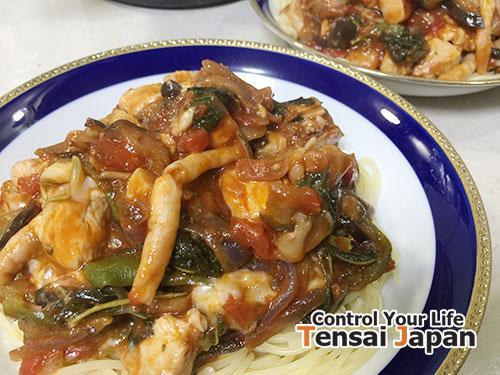
Learn how to use amaranth grain and edible greens, what the Japanese nutrient table measures, and how to make the original chicken and tomato stew.
Last updated
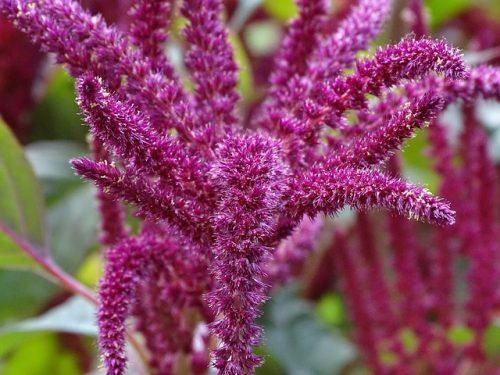
Amaranth plants belong to the genus Amaranthus. The small seeds can be cooked as a grain. Greens sold for eating can be cooked as a leafy vegetable. (Japan International Research Center for Agricultural Sciences)
Nutrition and uses for amaranth grain
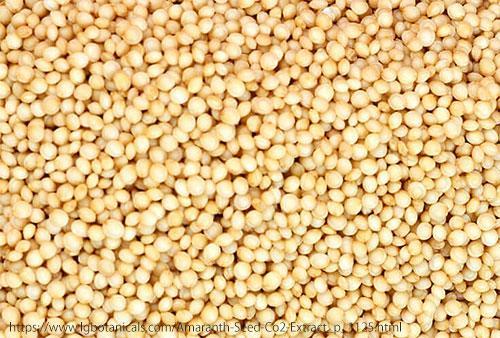
Japan’s food composition tables list 12.7 g protein and 7.4 g fiber per 100 g of dry whole amaranth grain. That value is for the uncooked grain, not cooked grain or the leaves. Follow the packet directions for cooking, then try mixing the cooked grain into rice, soup or salad. (MEXT food composition table: whole amaranth grain)
Ways to cook amaranth greens
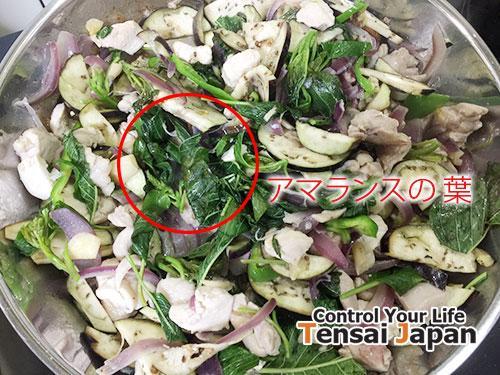
Use the leaves in soup, stir-fry, or a blanched greens side dish. The author first tried them after noticing a resemblance to molokhia. She found them a little coarse and used them in a stew.
Chicken and tomato stew with amaranth greens (2 servings)
- 5–6 cloves garlic
- 1 chicken thigh or breast
- 1 onion
- 2 eggplants
- 2 green peppers
- 150 g enoki mushrooms, or to taste
- About 10–15 bunches of amaranth leaves, as specified in the original; adjust for bunch size
- 1 can tomatoes
- Chicken bouillon powder, to taste (the original noted “5 large spoonfuls”; follow the product directions)
- 2 tablespoons oyster sauce
- Optional: 1/2 habanero and melting cheese to taste
Method
- Chop the garlic, slice the onion, and sauté them together.
- Cut the chicken into bite-size pieces and add it. Slice the other vegetables and add them with the leaves, which were cut into about 10 cm lengths in the original. Add the habanero here if using.
- Season with the bouillon and oyster sauce, then add the canned tomatoes and simmer. Cook the chicken through to an internal temperature of 74°C (165°F), per USDA guidance.
- When the flavors have combined, add the cheese if using and let it melt.
(USDA safe poultry temperature)